




Session expired

Due to inactivity your session has expired. Please login again.

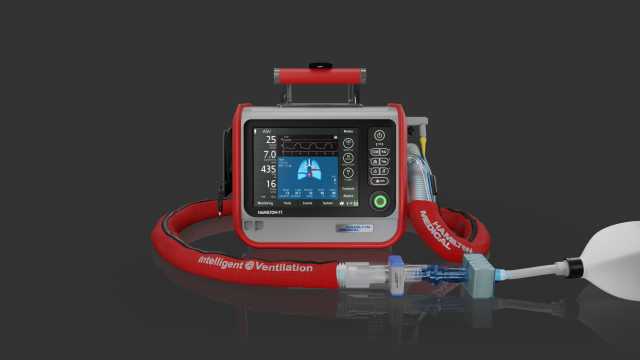
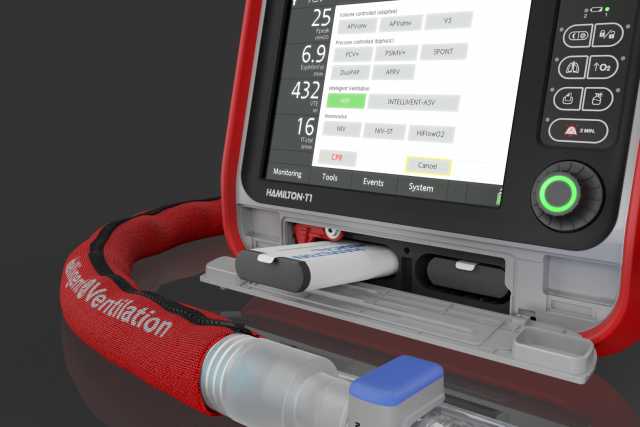
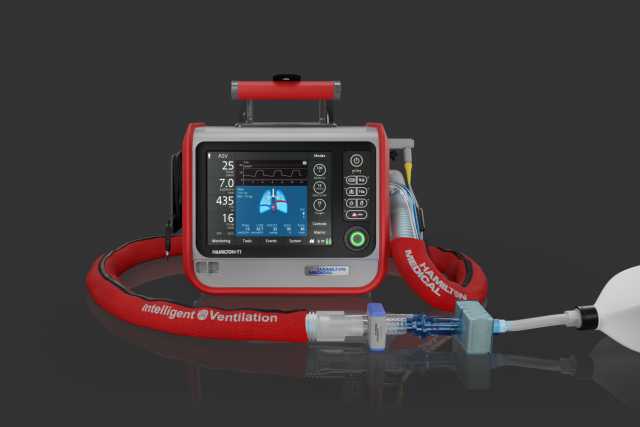
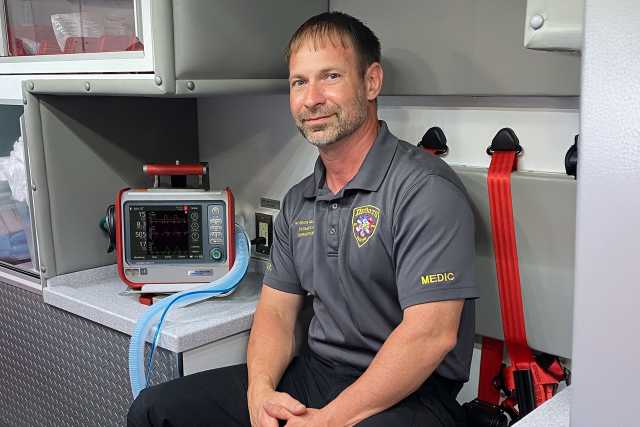
HAMILTON-T1。

在重症监护转运中自信通气

HAMILTON-T1

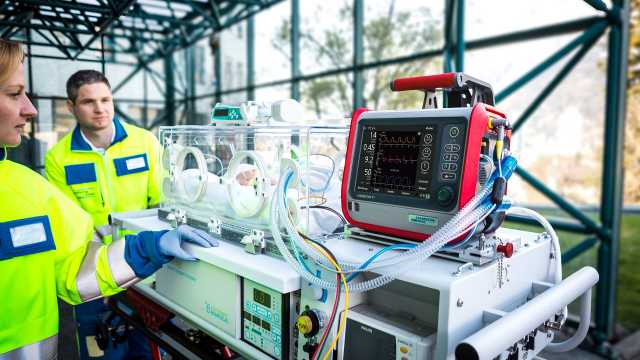
我们的转运专家!从新生儿到成人

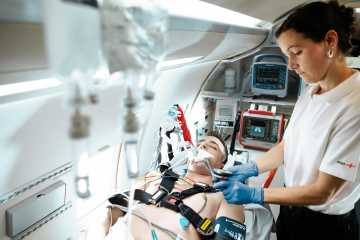
  • 全功能 ICU 转运呼吸机
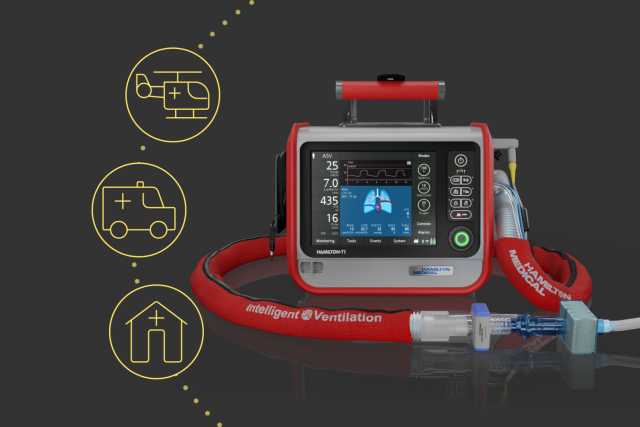
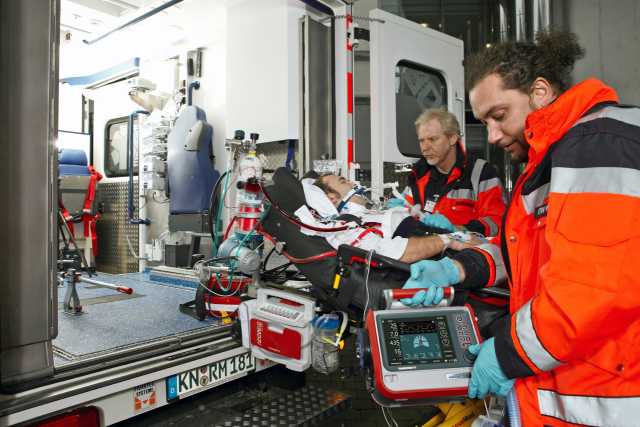
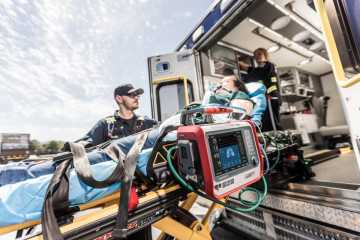
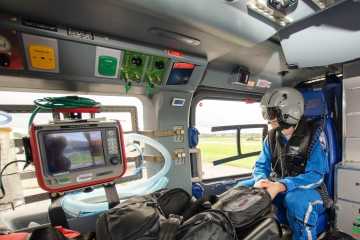
  • 适用于地面、空中和海上转运
  • 医院内和医院外
HAMILTON-T1
HAMILTON-T1

我们的转运专家! 从新生儿到成人

  • 全功能 ICU 转运呼吸机
  • 适用于地面、空中和海上病人转运
  • 医院内和医院外
HAMILTON-T1

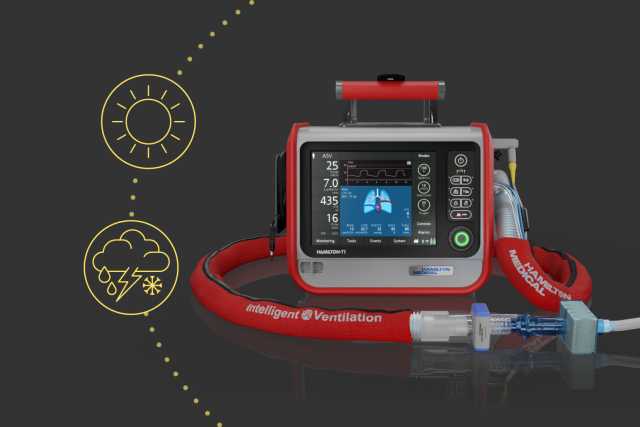
适者生存! 在最苛刻的环境中

  • 温度范围:-15 至 +50°C
  • 防护等级:IP54
  • 最大海拔高度:7620 米
  • 冲击保护和防振的加固型外壳
  • 耐振、抗反射显示器
HAMILTON-T1

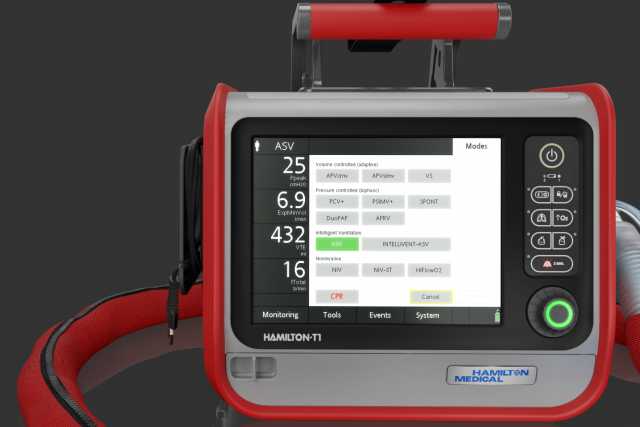
持续通气治疗。 使用和床旁相同的模式和设置

  • 容量靶向和压力控制通气模式
  • 带 ASV® 和 INTELLiVENT®-ASV 的适应性通气
  • 无创通气
  • 高流量鼻导管治疗
HAMILTON-T1

极度独立。 无压缩空气且由电池供电

  • 高性能涡轮
  • 一块集成电池和一块热插拔电池
  • 额外的低压氧接头
HAMILTON-T1

通信是关键。 改善连接

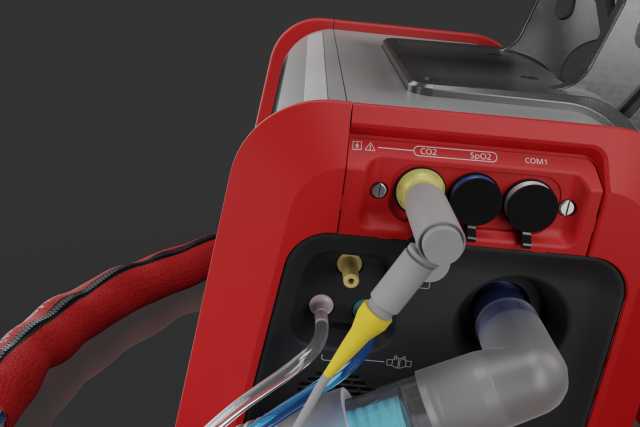
通信主板选项适用于:

  • 氧饱和度传感器和/或 CO2 传感器
  • 护士呼叫器
  • PDMS
  • HAMILTON-H900
  • RS232
HAMILTON-T1

使用区域

不可不知

""

为您的任务做好准备。 适配所需的规格

  • 尺寸(宽 x 深 x 高):
    320 x 220 x 270 mm(呼吸机主机)
    630 x 630 x 1380 mm(无手柄)

    630 x 630 x 1433 mm(带手柄)

  • 重量:

    6.5 kg(14.3 磅)

  • 续航时间:一块电池 4 小时/两块电池 8 小时

  • 可选热插拔电池

  • Hamilton Medical 哈美顿医疗公司的所有转运呼吸机都配备了 Hamilton Connect 模块。

  • 专门开发的接口协议允许连接第三方设备,通过蓝牙从呼吸机传输数据。

  • 压力控制、以容量为目标

  • 智能通气:ASV®INTELLiVENT®‑ASV®并非在所有市场均有提供A​)、O2 assist并非在所有市场均有提供A​)

  • 无创模式(选配B​)

  • 高流量氧气治疗(选配B​)

  • 肺力学指标可视化(动态肺

  • 病人的呼吸机依赖性可视化

  • 容积二氧化碳图(选配B​)

  • 氧饱和度监测(选配B​)

想要了解更多信息?
探索 3D 模型

从各个角度发现 HAMILTON-T1,点击热点,以了解更多信息。

饼形图显示 71% 的空中救援组织(在德国、奥地利、瑞士、意大利和卢森堡)选择 HAMILTON‑T1 用于他们的重症监护转运直升机

普遍的选择。 适用于 71% 的重症监护直升机

根据在德国、奥地利、瑞士、意大利和卢森堡的空中救援组织中开展的 HOVER 在线调查(接受通气治疗的直升机紧急医疗服务 [HEMS] 的急诊室病人的转运交接C),71% 的上述组织选择 HAMILTON-T1 用于他们的重症监护转运直升机 (Hilbert-Carius, P., Struck, M.F., Hofer, V. et al.Nutzung des Hubschrauber-Respirators vom Landeplatz zum Zielort im Krankenhaus.Notfall Rettungsmed 23, 106–112 (2020).1​)。


使用智能功能简化您的工作流程

气动雾化器。 适用于额外治疗

输送药物气溶胶粒子的细水雾有助于您恢复支气管痉挛、提高通气效率和减少高碳酸血症 (Dhand R. New frontiers in aerosol delivery during mechanical ventilation.Respir Care.2004;49(6):666-677.100​​)。 

CPR 通气。 专注于按压操作,而非呼吸机

在关键时刻,专注、速度和精确度至关重要,同时应尽量减少分心。进行复苏时,CPR 通气模式可根据国际指南自动调整通气设置 (Del Rios M, Bartos JA, Panchal AR, Atkins DL, Cabanas JG, Cao D, Dainty KN, Dezfulian C, Donoghue AJ, Drennan IR, Elmer J, Hirsch KG, Idris AH, Joyner BL, Kamath-Rayne BD, Kleinman ME, Kurz MC, Lasa JJ, Lee HC, McBride ME, Raymond TT, Rittenberger, JC, Schexnayder SM, Szyld E, Topjian A, Wigginton JG, Previdi JK.Part 1: executive summary: 2025 American Heart Association Guidelines for Cardiopulmonary Resuscitation and Emergency Cardiovascular Care.Circulation.2025;152(suppl):S284–S312. doi: 10.1161/CIR.0000000000001372 101​, Greif R, Lauridsen KG, Djärv T, et al.European Resuscitation Council Guidelines 2025 Executive Summary.Resuscitation.2025;215 Suppl 1:110770. doi:10.1016/j.resuscitation.2025.110770102)。

它通过快速访问可预配置的设置、适当的报警和触发调节以及 CPR 计时器显示来支持您。

基于时间的二氧化碳图。 支持做出明智的决定

二氧化碳图可持续监测 etCO2,以实时评估通气效果、气道完整性和病人状态。

在呼吸支持、心脏骤停管理和转运过程中,可为您提供即时反馈,助力做出更安全、更明智的决定。

ASV - Adaptive Support Ventilation®。 为您及您的病人提供支持

ASV 是一种适应性通气模式,能够根据病人的肺力学和努力程度持续调整通气设置。

这为主动和被动插管病人提供了一种模式,并且只有三个参数来控制 CO2 排出状态和氧合状态,有助于简化院前转运团队的通气操作。

动态肺。 一目了然

动态肺面板将监测数据转换为易于解释的直观图形。

在一张图中,您可以看到病人的顺应性、阻力、氧饱和度、脉搏和自主活动。

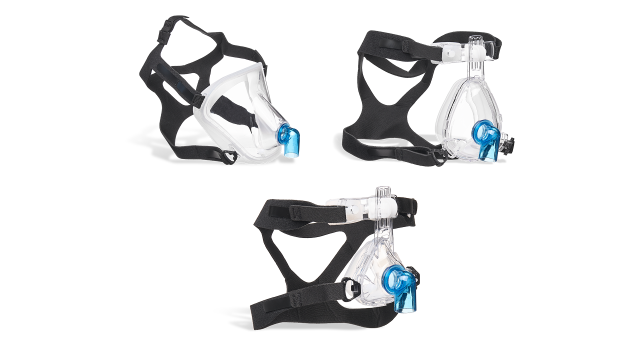
无创通气。 您的第一道防线

在无创通气或 NIV-ST(仅适用于 HAMILTON-T1a​)模式之间选择,以满足多种不同场景的需求,并进一步提升病人舒适度。

与使用压缩空气的呼吸机相比,我们的涡轮驱动呼吸机能够提供更高的峰值流量。这就保证了即便漏气严重也具有高性能。

夜视镜选项。 即使在黑暗中也能看清

有了夜视镜 (NVG) 选项,呼吸机可以在黑暗中安全使用,而不会影响引导人员的视野或干扰夜视设备。

按下按钮后,显示器的亮度可以调节到适合与夜视镜一起使用的水平。

INTELLiVENT®-ASV®。 您在转运途中的助手

我们的智能通气模式 INTELLiVENT-ASV(并非在所有市场均有提供c)在 ASV 基础上实现升级,将您从旋钮操作者转变为监督者。

它减少与呼吸机手动交互的次数 (Arnal JM, Garnero A, Novotni D, et al.Closed loop ventilation mode in Intensive Care Unit: a randomized controlled clinical trial comparing the numbers of manual ventilator setting changes.Minerva Anestesiol.2018;84(1):58-67. doi:10.23736/S0375-9393.17.11963-2106​),并为您的病人提供肺保护通气支持 (Bialais E, Wittebole X, Vignaux L, et al.Closed-loop ventilation mode (IntelliVent®-ASV) in intensive care unit: a randomized trial.Minerva Anestesiol.2016;82(6):657-668.107​)。

脉搏血氧计。 适用于氧饱和度热衷者

氧饱和度选项提供集成无创氧饱和度测量,数据方便地显示在您的呼吸机上。
它使您能够快速检测低血氧症,并评估转运过程中氧气治疗的有效性。

对于烟雾吸入病人,采用 Masimo rainbow 技术进行 SpCO 测量,可提供无创碳氧血红蛋白读数,支持明智的分诊考虑。

容积二氧化碳图。 提升院前病人护理水平

容积二氧化碳图通过测量整个呼出气体中的二氧化碳,帮助您实时检测气道阻塞、通气效率或灌注状态的变化,让您持续了解通气和灌注情况 (Blanch L, Romero PV, Lucangelo U. Volumetric capnography in the mechanically ventilated patient.Minerva Anestesiol.2006;72(6):577-585.108​)。

这使其在病人转运过程中极具价值,因为临床状况可能会迅速变化,拥有即时、可操作的数据至关重要。

可配置的环图和趋势图。 把控病情状态

在机械通气中,环图和趋势图为您提供对病人呼吸状态的实时洞察,因此您可以快速识别气道阻塞或人机不同步等问题。

因此可以在转运过程中精确调整通气,有助于在动态的院前环境中改善预后和提供更安全的护理。

nCPAP 模式。 为患儿提供专业支持

在 nCPAP 模式下,可以为新生儿提供持续气道正压通气支持。根据当前的最佳实践,转运呼吸机上增加 nCPAP 模式可为您提供更广泛的工具来管理新生儿呼吸支持。

Gordon Miller

客户评语

HAMILTON-T1 提供的无创模式使我能够避免许多插管,降低病人的风险,并改善预后。在使用 HAMILTON-T1 的 8 年里,我只给一名在开始病人护理时适合无创通气的病人插过管。

Gordon Miller

主管和培训办公室
美国洛杉矶曼斯菲尔德 DeSoto Parish EMS

方便的耗材

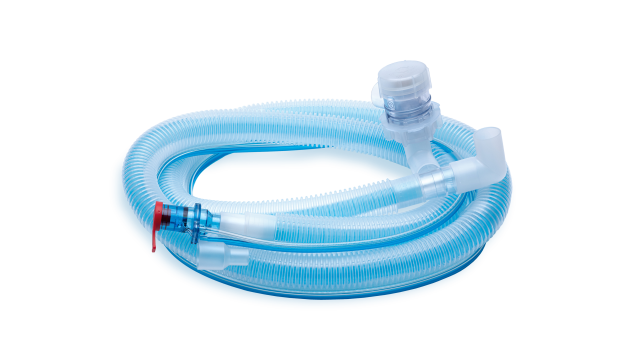
运行呼吸机所需的基本耗材

Hamilton Medical 哈美顿医疗公司的基本耗材可确保我们的呼吸机发挥最佳性能。为确保最大用户满意度和病人安全,我们根据最高的质量和安全标准为您设计了易于使用的产品。 

开始您的呼吸机培训

""

掌握窍门! 学习路径和模拟

HAMILTON‑T1 学习中心提供易于遵循的学习路径,以便您能够尽快了解您的呼吸机及其技术。

然后,使用我们 VenTrainer 应用程序中的虚拟病人模型,在安全的环境中尝试您新学到的技能!

我们的 360°服务

""

随时待命,即刻就绪。 您的院前转运护理伙伴

Hamilton Medical 哈美顿医疗公司院前团队致力于在院前环境转运期间,围绕机械通气提供全面的服务和支持。

EMS_Prehospital-team_Contact-us

有问题? 取得联系!

我们的院前团队很乐意解答您的问题并提供专家咨询。

脚注

  • A. 并非在所有市场均有提供
  • B. HAMILTON-T1 选配
  • C. 接受通气治疗的直升机紧急医疗服务 [HEMS] 的急诊室病人的转运交接
  • a. 仅适用于 HAMILTON-T1
  • b. 仅适用于 HAMILTON-EM7
  • c. 并非在所有市场均有提供

参考文献

  1. 1. Hilbert-Carius, P., Struck, M.F., Hofer, V. et al. Nutzung des Hubschrauber-Respirators vom Landeplatz zum Zielort im Krankenhaus. Notfall Rettungsmed 23, 106–112 (2020).
  2. 100. Dhand R. New frontiers in aerosol delivery during mechanical ventilation. Respir Care. 2004;49(6):666-677.
  3. 101. Del Rios M, Bartos JA, Panchal AR, Atkins DL, Cabanas JG, Cao D, Dainty KN, Dezfulian C, Donoghue AJ, Drennan IR, Elmer J, Hirsch KG, Idris AH, Joyner BL, Kamath-Rayne BD, Kleinman ME, Kurz MC, Lasa JJ, Lee HC, McBride ME, Raymond TT, Rittenberger, JC, Schexnayder SM, Szyld E, Topjian A, Wigginton JG, Previdi JK. Part 1: executive summary: 2025 American Heart Association Guidelines for Cardiopulmonary Resuscitation and Emergency Cardiovascular Care. Circulation. 2025;152(suppl):S284–S312. doi: 10.1161/CIR.0000000000001372
  4. 102. Greif R, Lauridsen KG, Djärv T, et al. European Resuscitation Council Guidelines 2025 Executive Summary. Resuscitation. 2025;215 Suppl 1:110770. doi:10.1016/j.resuscitation.2025.110770
  5. 103. Atakul G, Ceylan G, Sandal O, et al. Closed-loop oxygen usage during invasive mechanical ventilation of pediatric patients (CLOUDIMPP): a randomized controlled cross-over study. Front Med (Lausanne). 2024;11:1426969. Published 2024 Sep 10. doi:10.3389/fmed.2024.1426969
  6. 104. Trottier M, Bouchard PA, L'Her E, Lellouche F. Automated Oxygen Titration During CPAP and Noninvasive Ventilation in Healthy Subjects With Induced Hypoxemia. Respir Care. 2023;68(11):1553-1560. doi:10.4187/respcare.09866
  7. 105. Roca O, Caritg O, Santafé M, et al. Closed-loop oxygen control improves oxygen therapy in acute hypoxemic respiratory failure patients under high flow nasal oxygen: a randomized cross-over study (the HILOOP study). Crit Care. 2022;26(1):108. Published 2022 Apr 14. doi:10.1186/s13054-022-03970-w
  8. 106. Arnal JM, Garnero A, Novotni D, et al. Closed loop ventilation mode in Intensive Care Unit: a randomized controlled clinical trial comparing the numbers of manual ventilator setting changes. Minerva Anestesiol. 2018;84(1):58-67. doi:10.23736/S0375-9393.17.11963-2
  9. 107. Bialais E, Wittebole X, Vignaux L, et al. Closed-loop ventilation mode (IntelliVent®-ASV) in intensive care unit: a randomized trial. Minerva Anestesiol. 2016;82(6):657-668.
  10. 108. Blanch L, Romero PV, Lucangelo U. Volumetric capnography in the mechanically ventilated patient. Minerva Anestesiol. 2006;72(6):577-585.

Nutzung des Hubschrauber-Respirators vom Landeplatz zum Zielort im Krankenhaus Sekundäranalyse der HOVER-Umfrage zu beatmeten Notfallpatienten in der Luftrettung

Hilbert-Carius, P., Struck, M.F., Hofer, V. et al. Nutzung des Hubschrauber-Respirators vom Landeplatz zum Zielort im Krankenhaus. Notfall Rettungsmed 23, 106–112 (2020).

New frontiers in aerosol delivery during mechanical ventilation.

Dhand R. New frontiers in aerosol delivery during mechanical ventilation. Respir Care. 2004;49(6):666-677.

The scientific basis for inhalation therapy in mechanically-ventilated patients is now firmly established. A variety of new devices that deliver drugs to the lung with high efficiency could be employed for drug delivery during mechanical ventilation. Encapsulation of drugs within liposomes could increase the amount of drug delivered, prolong the effect of a dose, and minimize adverse effects. With improved inhalation devices and surfactant formulations, inhaled surfactant could be employed for several indications in mechanically-ventilated patients. Research is unraveling the causes of some disorders that have been poorly understood, and our improved understanding of the causal mechanisms of various respiratory disorders will provide new applications for inhaled therapies.

2025 American Heart Association Guidelines for Cardiopulmonary Resuscitation and Emergency Cardiovascular Care

Del Rios M, Bartos JA, Panchal AR, Atkins DL, Cabanas JG, Cao D, Dainty KN, Dezfulian C, Donoghue AJ, Drennan IR, Elmer J, Hirsch KG, Idris AH, Joyner BL, Kamath-Rayne BD, Kleinman ME, Kurz MC, Lasa JJ, Lee HC, McBride ME, Raymond TT, Rittenberger, JC, Schexnayder SM, Szyld E, Topjian A, Wigginton JG, Previdi JK. Part 1: executive summary: 2025 American Heart Association Guidelines for Cardiopulmonary Resuscitation and Emergency Cardiovascular Care. Circulation. 2025;152(suppl):S284–S312. doi: 10.1161/CIR.0000000000001372

European Resuscitation Council Guidelines 2025 Executive Summary.

Greif R, Lauridsen KG, Djärv T, et al. European Resuscitation Council Guidelines 2025 Executive Summary. Resuscitation. 2025;215 Suppl 1:110770. doi:10.1016/j.resuscitation.2025.110770

The 2025 European Resuscitation Council (ERC) Guidelines present the most up-to-date evidence-based guidelines for the practice of resuscitation across Europe. The ERC Guidelines 2025 are based on evidence produced by the International Liaison Committee on Resuscitation (ILCOR) in the form of systematic reviews, scoping reviews, and evidence updates, published as the ILCOR Consensus on Science with Treatment Recommendations. The certainty of evidence of these ILCOR treatment recommendations was used to issue the ERC Guidelines 2025 Recommendations. In some cases, the ERC made good practice statements when evidence was absent for certain topics. If no ILCOR review was available, the ERC writing groups conducted their own reviews to provide recommendations. The ERC Guidelines 2025 cover the epidemiology of cardiac arrest, the role that systems play in saving lives, adult basic life support, adult advanced life support, resuscitation in special circumstances, post resuscitation care, newborn resuscitation and support of transition of infants at birth, paediatric basic and advanced life support, resuscitation ethics, education for resuscitation, and first aid. These guidelines are a framework of recommendations for the approach to out-of-hospital and in-hospital resuscitation; the implementation is achieved locally taking local legislation and health care regulations into consideration.

Closed-loop oxygen usage during invasive mechanical ventilation of pediatric patients (CLOUDIMPP): a randomized controlled cross-over study.

Atakul G, Ceylan G, Sandal O, et al. Closed-loop oxygen usage during invasive mechanical ventilation of pediatric patients (CLOUDIMPP): a randomized controlled cross-over study. Front Med (Lausanne). 2024;11:1426969. Published 2024 Sep 10. doi:10.3389/fmed.2024.1426969

BACKGROUND The aim of this study is the evaluation of a closed-loop oxygen control system in pediatric patients undergoing invasive mechanical ventilation (IMV). METHODS Cross-over, multicenter, randomized, single-blind clinical trial. Patients between the ages of 1 month and 18 years who were undergoing IMV therapy for acute hypoxemic respiratory failure (AHRF) were assigned at random to either begin with a 2-hour period of closed-loop oxygen control or manual oxygen titrations. By using closed-loop oxygen control, the patients' SpO2 levels were maintained within a predetermined target range by the automated adjustment of the FiO2. During the manual oxygen titration phase of the trial, healthcare professionals at the bedside made manual changes to the FiO2, while maintaining the same target range for SpO2. Following either period, the patient transitioned to the alternative therapy. The outcomes were the percentage of time spent in predefined SpO2 ranges ±2% (primary), FiO2, total oxygen use, and the number of manual adjustments. FINDINGS The median age of included 33 patients was 17 (13-55.5) months. In contrast to manual oxygen titrations, patients spent a greater proportion of time within a predefined optimal SpO2 range when the closed-loop oxygen controller was enabled (95.7% [IQR 92.1-100%] vs. 65.6% [IQR 41.6-82.5%]), mean difference 33.4% [95%-CI 24.5-42%]; P < 0.001). Median FiO2 was lower (32.1% [IQR 23.9-54.1%] vs. 40.6% [IQR 31.1-62.8%]; P < 0.001) similar to total oxygen use (19.8 L/h [IQR 4.6-64.8] vs. 39.4 L/h [IQR 16.8-79]; P < 0.001); however, median SpO2/FiO2 was higher (329.4 [IQR 180-411.1] vs. 246.7 [IQR 151.1-320.5]; P < 0.001) with closed-loop oxygen control. With closed-loop oxygen control, the median number of manual adjustments reduced (0.0 [IQR 0.0-0.0] vs. 1 [IQR 0.0-2.2]; P < 0.001). CONCLUSION Closed-loop oxygen control enhances oxygen therapy in pediatric patients undergoing IMV for AHRF, potentially leading to more efficient utilization of oxygen. This technology also decreases the necessity for manual adjustments, which could reduce the workloads of healthcare providers. CLINICAL TRIAL REGISTRATION This research has been submitted to ClinicalTrials.gov (NCT05714527).

Automated Oxygen Titration During CPAP and Noninvasive Ventilation in Healthy Subjects With Induced Hypoxemia.

Trottier M, Bouchard PA, L'Her E, Lellouche F. Automated Oxygen Titration During CPAP and Noninvasive Ventilation in Healthy Subjects With Induced Hypoxemia. Respir Care. 2023;68(11):1553-1560. doi:10.4187/respcare.09866

BACKGROUND Automated oxygen titration to maintain a stable SpO2 has been developed for spontaneously breathing patients but has not been evaluated during CPAP and noninvasive ventilation (NIV). METHODS We performed a randomized controlled crossover, double-blind study on 10 healthy subjects with induced hypoxemia during 3 situations: spontaneous breathing with oxygen support, CPAP (5 cm H2O), and NIV (7/3 cm H2O). We conducted in random order 3 dynamic hypoxic challenges of 5 min (FIO2 0.08 ± 0.02, 0.11± 0.02, and 0.14 ± 0.02). For each condition, we compared automated oxygen titration and manual oxygen titration by experienced respiratory therapists (RTs), with the aim to maintain the SpO2 at 94 ± 2%. In addition, we included 2 subjects hospitalized for exacerbation of COPD under NIV and a subject managed after bariatric surgery with CPAP and automated oxygen titration. RESULTS The percentage of time in the SpO2 target was higher with automated compared with manual oxygen titration for all conditions, on average 59.6 ± 22.8% compared to 44.3 ± 23.9% (P = .004). Hyperoxemia (SpO2 > 96%) was less frequent with automated titration for each mode of oxygen administration (24.0 ± 24.4% vs 39.1 ± 25.3%, P < .001). During the manual titration periods, the RT made several changes to oxygen flow (5.1 ± 3.3 interventions that lasted 122 ± 70 s/period) compared to none during the automated titration to maintain oxygenation in the targeted SpO2 . Time in the SpO2 target was higher with stable hospitalized subjects in comparison with healthy subjects under dynamic-induced hypoxemia. CONCLUSIONS In this proof-of-concept study, automated oxygen titration was used during CPAP and NIV. The performances to maintain the SpO2 target were significantly better compared to manual oxygen titration in the setting of this study protocol. This technology may allow decreasing the number of manual interventions for oxygen titration during CPAP and NIV.

Closed-loop oxygen control improves oxygen therapy in acute hypoxemic respiratory failure patients under high flow nasal oxygen: a randomized cross-over study (the HILOOP study).

Roca O, Caritg O, Santafé M, et al. Closed-loop oxygen control improves oxygen therapy in acute hypoxemic respiratory failure patients under high flow nasal oxygen: a randomized cross-over study (the HILOOP study). Crit Care. 2022;26(1):108. Published 2022 Apr 14. doi:10.1186/s13054-022-03970-w

BACKGROUND We aimed to assess the efficacy of a closed-loop oxygen control in critically ill patients with moderate to severe acute hypoxemic respiratory failure (AHRF) treated with high flow nasal oxygen (HFNO). METHODS In this single-centre, single-blinded, randomized crossover study, adult patients with moderate to severe AHRF who were treated with HFNO (flow rate ≥ 40 L/min with FiO2 ≥ 0.30) were randomly assigned to start with a 4-h period of closed-loop oxygen control or 4-h period of manual oxygen titration, after which each patient was switched to the alternate therapy. The primary outcome was the percentage of time spent in the individualized optimal SpO2 range. RESULTS Forty-five patients were included. Patients spent more time in the optimal SpO2 range with closed-loop oxygen control compared with manual titrations of oxygen (96.5 [93.5 to 98.9] % vs. 89 [77.4 to 95.9] %; p < 0.0001) (difference estimate, 10.4 (95% confidence interval 5.2 to 17.2). Patients spent less time in the suboptimal range during closed-loop oxygen control, both above and below the cut-offs of the optimal SpO2 range, and less time above the suboptimal range. Fewer number of manual adjustments per hour were needed with closed-loop oxygen control. The number of events of SpO2 < 88% and < 85% were not significantly different between groups. CONCLUSIONS Closed-loop oxygen control improves oxygen administration in patients with moderate-to-severe AHRF treated with HFNO, increasing the percentage of time in the optimal oxygenation range and decreasing the workload of healthcare personnel. These results are especially relevant in a context of limited oxygen supply and high medical demand, such as the COVID-19 pandemic. Trial registration The HILOOP study was registered at www. CLINICALTRIALS gov under the identifier NCT04965844 .

Closed loop ventilation mode in Intensive Care Unit: a randomized controlled clinical trial comparing the numbers of manual ventilator setting changes.

Arnal JM, Garnero A, Novotni D, et al. Closed loop ventilation mode in Intensive Care Unit: a randomized controlled clinical trial comparing the numbers of manual ventilator setting changes. Minerva Anestesiol. 2018;84(1):58-67. doi:10.23736/S0375-9393.17.11963-2

BACKGROUND There is an equipoise regarding closed-loop ventilation modes and the ability to reduce workload for providers. On one hand some settings are managed by the ventilator but on another hand the automatic mode introduces new settings for the user. METHODS This randomized controlled trial compared the number of manual ventilator setting changes between a full closed loop ventilation and oxygenation mode (INTELLiVENT-ASV®) and conventional ventilation modes (volume assist control and pressure support) in Intensive Care Unit (ICU) patients. The secondary endpoints were to compare the number of arterial blood gas analysis, the sedation dose and the user acceptance. Sixty subjects with an expected duration of mechanical ventilation of at least 48 hours were randomized to be ventilated using INTELLiVENT-ASV® or conventional modes with a protocolized weaning. All manual ventilator setting changes were recorded continuously from inclusion to successful extubation or death. Arterial blood gases were performed upon decision of the clinician in charge. User acceptance score was assessed for nurses and physicians once daily using a Likert Scale. RESULTS The number of manual ventilator setting changes per 24 h-period per subject was lower in INTELLiVENT-ASV® as compared to conventional ventilation group (5 [4-7] versus 10 [7-17]) manuals settings per subject per day [P<0.001]). The number of arterial blood gas analysis and the sedation doses were not significantly different between the groups. Nurses and physicians reported that INTELLiVENT-ASV® was significantly easier to use as compared to conventional ventilation (P<0.001 for nurses and P<0.01 for physicians). CONCLUSIONS For mechanically ventilated ICU patients, INTELLiVENT-ASV® significantly reduces the number of manual ventilator setting changes with the same number of arterial blood gas analysis and sedation dose, and is easier to use for the caregivers as compared to conventional ventilation modes.

Closed-loop ventilation mode (IntelliVent®-ASV) in intensive care unit: a randomized trial.

Bialais E, Wittebole X, Vignaux L, et al. Closed-loop ventilation mode (IntelliVent®-ASV) in intensive care unit: a randomized trial. Minerva Anestesiol. 2016;82(6):657-668.

BACKGROUND Closed-loop modes automatically adjust ventilation settings, delivering individualized ventilation over short periods of time. The objective of this randomized controlled trial was to compare safety, efficacy and workload for the health care team between IntelliVent®-ASV and conventional modes over a 48-hour period. METHODS ICU patients admitted with an expected duration of mechanical ventilation of more than 48 hours were randomized to IntelliVent®-ASV or conventional ventilation modes. All ventilation parameters were recorded breath-by-breath. The number of manual adjustments assesses workload for the healthcare team. Safety and efficacy were assessed by calculating the time spent within previously defined ranges of non-optimal and optimal ventilation, respectively. RESULTS Eighty patients were analyzed. The median values of ventilation parameters over 48 hours were similar in both groups except for PEEP (7[4] cmH2O versus 6[3] cmH2O with IntelliVent®-ASV and conventional ventilation, respectively, P=0.028) and PETCO2 (36±7 mmHg with IntelliVent®-ASV versus 40±8 mmHg with conventional ventilation, P=0.041). Safety was similar between IntelliVent®-ASV and conventional ventilation for all parameters except for PMAX, which was more often non-optimal with IntelliVent®-ASV (P=0.001). Efficacy was comparable between the 2 ventilation strategies, except for SpO2 and VT, which were more often optimal with IntelliVent®-ASV (P=0.005, P=0.016, respectively). IntelliVent®-ASV required less manual adjustments than conventional ventilation (P<0.001) for a higher total number of adjustments (P<0.001). The coefficient of variation over 48 hours was larger with IntelliVent®-ASV in regard of maximum pressure, inspiratory pressure (PINSP), and PEEP as compared to conventional ventilation. CONCLUSIONS IntelliVent®-ASV required less manual intervention and delivered more variable PEEP and PINSP, while delivering ventilation safe and effective ventilation in terms of VT, RR, SpO2 and PETCO2.

Volumetric capnography in the mechanically ventilated patient.

Blanch L, Romero PV, Lucangelo U. Volumetric capnography in the mechanically ventilated patient. Minerva Anestesiol. 2006;72(6):577-585.

Expiratory capnogram provides qualitative information on the waveform patterns associated with mechanical ventilation and quantitative estimation of expired CO2. Volumetric capnography simultaneously measures expired CO2 and tidal volume and allows identification of CO2 from 3 sequential lung compartments: apparatus and anatomic dead space, from progressive emptying of alveoli and alveolar gas. Lung heterogeneity creates regional differences in CO2 concentration and sequential emptying contributes to the rise of the alveolar plateau and to the steeper the expired CO2 slope. The concept of dead space accounts for those lung areas that are ventilated but not perfused. In patients with sudden pulmonary vascular occlusion due to pulmonary embolism, the resultant high V/Q mismatch produces an increase in alveolar dead space. Calculations derived from volumetric capnography are useful to suspect pulmonary embolism at the bedside. Alveolar dead space is large in acute lung injury and when the effect of positive end-expiratory pressure (PEEP) is to recruit collapsed lung units resulting in an improvement of oxygenation, alveolar dead space may decrease, whereas PEEP-induced overdistension tends to increase alveolar dead space. Finally, measurement of physiologic dead space and alveolar ejection volume at admission or the trend during the first 48 hours of mechanical ventilation might provide useful information on outcome of critically ill patients with acute lung injury or acute respiratory distress syndrome.